


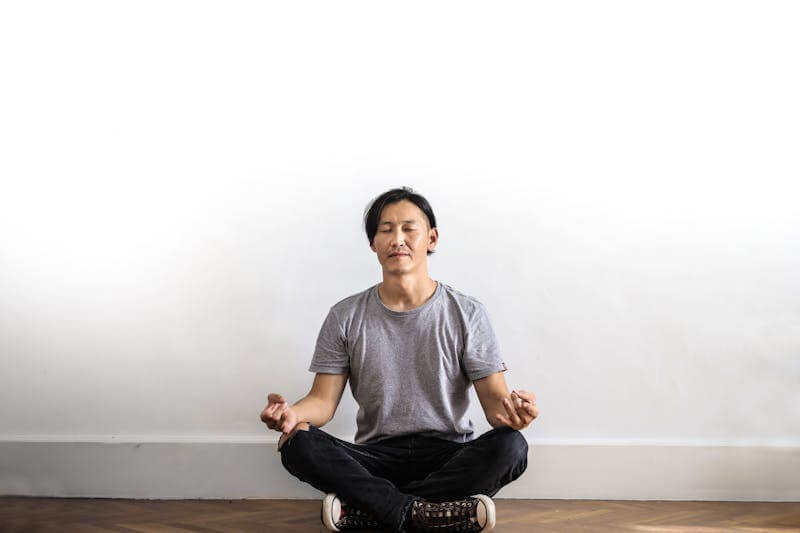
Many people reach a point where health no longer feels like a project and starts to feel more like part of daily living. A lifestyle that supports long-term well-being usually grows from routines that fit comfortably into ordinary days. Nothing needs to be dramatic or intense. A calm approach often begins with choices that reduce pressure and give the mind room to focus on what matters. Meals with simple ingredients, regular outdoor time, dependable sleep habits, and a home that functions smoothly create a direction that feels supportive without requiring major effort.
A lot of modern wellness advice tries to push complicated systems, but the most practical routines tend to come from small decisions repeated throughout the week. People often discover that gentle habits help them stay consistent without feeling overwhelmed.
Making Daily Eating Feel Easy
Meals are an important part of the day, so many individuals focus on food choices that fit comfortably into their schedule. Cooking with familiar ingredients and preparing simple dishes helps reduce unnecessary stress around eating. A calm and predictable approach to meals gives people a sense of balance in their day and helps them stay connected to their specific needs. Choosing uncomplicated meals can also help individuals stay present at the table instead of rushing.
Supplements sometimes become part of this routine, used only as gentle support. Many people include options from USANA Health Sciences as part of their wellness habits because they can be taken without disrupting the flow of daily meals. The goal is not to replace food, but to maintain a small, reliable step that fits comfortably into daily life and supports general well-being.
Making Time for Light Outdoor Activity
A few minutes outside can help someone feel refreshed without requiring a structured workout. People often enjoy a simple walk, a slow stretch on the porch, or a short moment of fresh air between tasks. This kind of activity feels achievable on busy days and still provides a noticeable lift in overall comfort. Moving the body gently throughout the day encourages a more natural pace and gives both mind and body a break from long periods of sitting indoors.
Outdoor time can happen almost anywhere. A stroll through the neighborhood, a few steps around a yard, or a brief visit to a nearby park can provide a welcome pause. Many people find that this small routine becomes something they look forward to.
Staying Consistent with Annual Checkups
A once-a-year appointment offers people the chance to stay aware of their overall health. Many individuals mark the calendar in advance, so the habit becomes automatic. This approach keeps healthcare from feeling uncertain and helps people stay informed about their current needs. Annual visits remove guesswork from wellness because they offer a clear review of what is going well and what could use attention.
People also appreciate the sense of order that comes with routine checkups. Scheduling the visit at the same time every year makes the process feel familiar and predictable. When the appointment becomes part of the yearly cycle, it blends into daily life instead of feeling like a disruption.
Keeping Home Spaces Easy to Navigate
A home that functions smoothly can support daily comfort in ways that are easy to overlook. Clear walkways, well-placed furniture, and clutter-free surfaces help reduce small frustrations that can pile up throughout the day. People often feel more at ease when they can move through rooms without obstacles or visual noise. A tidy layout gives the mind fewer distractions and allows day-to-day routines to feel more manageable.
Removing items that no longer serve a purpose, choosing furniture that fits the room comfortably, and keeping high-traffic areas clear can create a sense of order inside the home. Many individuals find that an organized environment helps them focus, rest, and work with more comfort.
Staying Mindful of Portion Comfort
Mealtime comfort often depends on paying attention to how the body feels during and after eating. Most people take a moment before serving food to consider how hungry they are. This pause helps guide decisions that feel right for that moment. A calm eating experience becomes easier to maintain when people listen to their own cues instead of following strict external rules.
Some individuals find that portion comfort naturally changes from day to day. Some days call for a lighter meal, and some days call for something heartier. Allowing for this flexibility helps meals stay enjoyable and reduces tension around food.
Maintaining a Predictable Weekly Structure
A weekly routine gives people a sense of direction without creating pressure. Many individuals choose a loose outline for the week so chores, meals, self-care moments, and errands fall into familiar places. This helps reduce daily decision-making and keeps life feeling more manageable. The routine does not need to be strict. A gentle plan offers a clearer sense of flow and supports consistency.
Many people build this structure around personal habits that already feel natural. A preferred grocery day, a regular laundry time, or a midweek quiet hour often becomes part of the weekly outline.
Keeping Screen Use in Balance
Screen time can influence how someone feels both physically and mentally. Long stretches in front of a screen may affect posture, attention, and daily comfort. Many people prefer to pause throughout the day, step away for a moment, and let their eyes rest. Short breaks help maintain a calmer pace and prevent technology from dominating the entire day.
Plenty of individuals set gentle guidelines for themselves. A limit on late-night scrolling, designated screen-free meals, or a short break every hour helps maintain a healthier relationship with devices.
Choosing Footwear That Supports Daily Comfort
Footwear has a direct impact on how the body feels during regular tasks. A supportive pair of shoes can make walking, standing, and moving through routines far more comfortable. Many people prefer shoes that cushion the feet and reduce tension through the legs and back.
Some individuals reserve certain shoes for longer days or more active routines. A comfortable pair often becomes part of daily life, especially for people who spend a lot of time on their feet.
Following Clear Medication Routines
Medication routines play a significant role in daily wellness. Clear habits help avoid confusion and keep everything consistent. Many people use simple tools such as a daily organizer or a small reminder in a visible spot. A routine like this helps maintain order and supports confidence in daily care.
Some individuals prefer to review their medication schedule each week to stay on track. A brief check-in helps confirm that everything is ready for the days ahead.
A health-friendly lifestyle develops through choices that fit easily into daily living. Simple habits, clear routines, and supportive environments help people move through their days with more ease and awareness. Each practice adds a steady foundation for wellness without creating extra pressure.
