


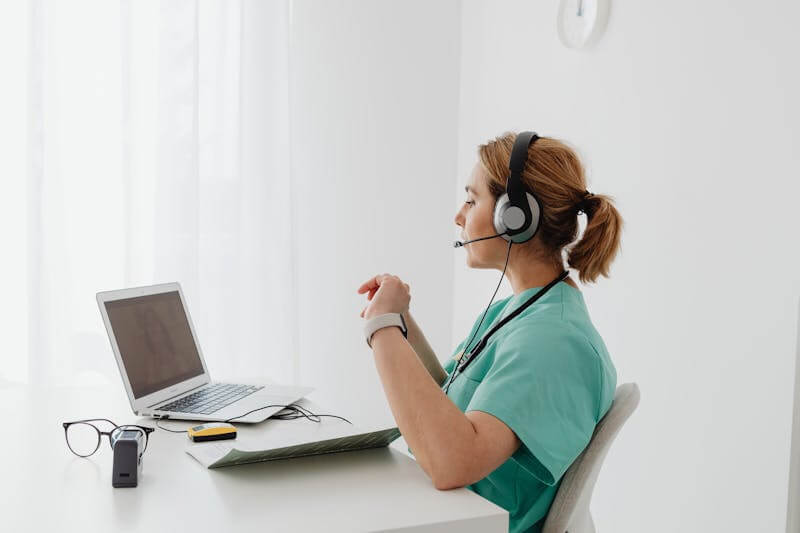
Healthcare never stands still. New research emerges every single day. Protocols receive constant updates. Technology introduces fresh tools and techniques. For nurses, doctors, and all clinical staff, learning is a lifelong mission. It is not optional.
Patient safety and quality of care depend directly on continuous education. But traditional training methods are crumbling under this pressure. Healthcare organizations need a smarter foundation. They require a dynamic, resilient system for knowledge. The right digital learning platform is no longer a nice-to-have. It is a critical piece of medical infrastructure.
The Search for the Best LMS for Healthcare
Legacy systems create real problems. They often function as simple document repositories. Staff waste time searching for the latest policy PDF. Tracking compliance becomes a manual nightmare. There is no way to confirm real understanding. These gaps pose a significant risk. They affect accreditation. They impact patient outcomes directly.
Forward-thinking leaders recognize this danger. They know their teams deserve better support. This understanding fuels the search for a truly effective partner. The goal is not just any system. The mission is to find the best LMS for healthcare organizations. This platform must meet unique and stringent demands.
Non-Negotiable Compliance and Audit Trails
Healthcare lives under a microscope. Regulatory bodies demand perfect records. An LMS must deliver absolute clarity here. It needs robust automation for certification tracking. The system should alert administrators about renewals automatically. It must provide a pristine, unchangeable audit trail.
Managers should generate compliance reports effortlessly. This feature alone saves hundreds of administrative hours. More importantly, it ensures nothing goes unnoticed. It protects the organization during surveys and inspections. Compliance becomes a streamlined process, not a frantic scramble.
Seamless Integration With Healthcare Tech
A new platform cannot live in isolation. It must connect deeply with existing tools. Look for an LMS that integrates with Human Resource Information Systems (HRIS). This syncs user data automatically. It should also work with credentialing software. Single sign-on (SSO) capability is essential for busy clinicians. The ideal system might even connect to Electronic Health Record (EHR) training environments.
This creates a unified ecosystem. Staff experience less friction. They access learning within their natural digital workflow. Strong integration is the hallmark of a mature, thoughtful platform.
Content Built for Clinical Realities
Generic training modules fail healthcare audiences. Content must reflect clinical scenarios and terminology. The best platforms offer specialized healthcare course libraries. These include topics like advanced cardiac life support (ACLS) updates. They cover infection control protocols thoroughly. They address patient privacy laws like HIPAA with precision.
Beyond off-the-shelf content, the LMS must make internal authoring simple. Training managers should easily build modules for new hospital equipment. They should upload videos demonstrating a new bedside procedure. Content must be accurate, engaging, and immediately relevant to daily practice.
Mobile-First for a Mobile Workforce
Healthcare professionals are never at a desk. They move between rooms. They have moments between patient visits. Training must travel with them. A modern LMS requires a flawless mobile experience. The learning app must work on phones and tablets offline. A nurse could complete a short module on medication safety during a break. A surgeon could review a new technique video before a procedure.
This mobile-first approach respects their time and workflow. It supports microlearning—delivering knowledge in small, digestible chunks. Learning integrates into the rhythm of care, instead of interrupting it.
Advanced Simulation and Scenario-Based Tools
Understanding policies is one thing. Applying them under pressure is another. The future of healthcare training involves immersive practice. Leading LMS platforms now incorporate simulation tools. These might include interactive video branches. Learners make choices in a virtual patient interaction. They see the consequences of each decision.
Other systems offer virtual reality (VR) or augmented reality (AR) integrations. A nurse could practice a rare emergency response in a safe, digital space. These tools build true competency and confidence. They bridge the divide between theory and real-world application.

Data That Informs and Improves Care
Finally, a top-tier LMS provides powerful intelligence. It moves beyond simple completion reports. It offers insights into knowledge gaps across units. It can correlate training data with clinical quality metrics. Perhaps medication error rates drop after a specific module launch. Maybe patient satisfaction scores improve following communication skills training.
This data is transformative. It allows leaders to make targeted, evidence-based investments in their teams. It demonstrates the tangible return on learning. It proves that education is not a cost center, but a direct driver of superior patient care and organizational health.
The Takeaway
Choosing a system with these features is a strategic decision. It prepares your organization for the challenges of 2026 and beyond. It shows a profound commitment to your greatest asset: your people. Their growth directly fuels the mission of healing.
The right learning platform becomes the engine for that growth. It builds a culture of excellence that patients will feel and trust.
