


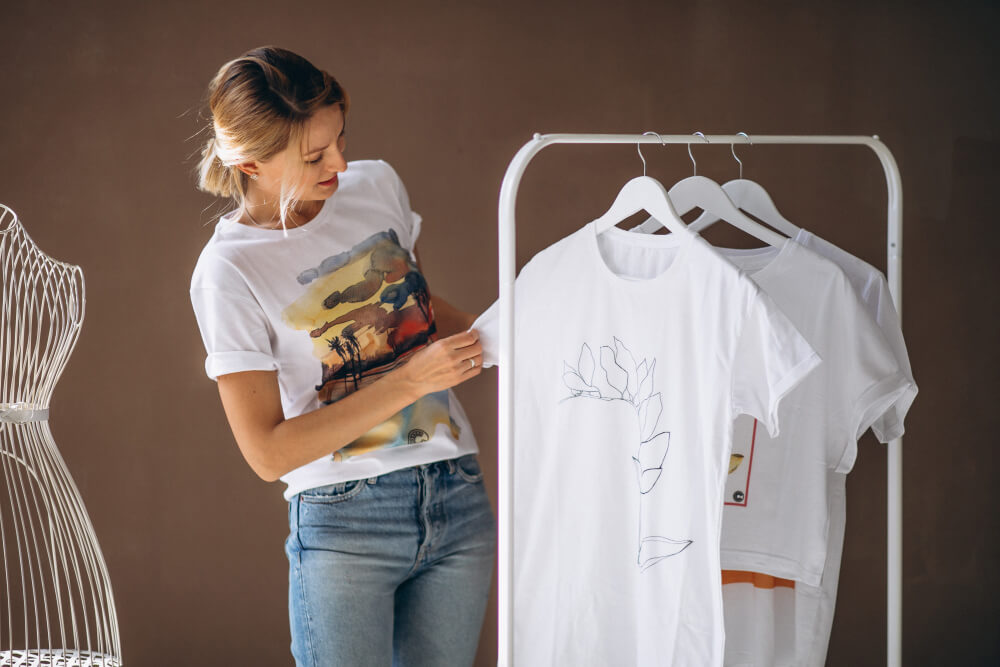
Small clothing brands face a long list of production challenges. Many struggle with high minimum order quantities, slow turnaround times, and the risk of ordering stock that ends up sitting on shelves. These problems can limit growth and drain cash flow. Direct-to-film printing offers a practical way around these barriers. It gives brands more control over their production pace without forcing them into big commitments. For many small apparel companies, this printing method has become a key part of how they scale.
DTF printing has grown quickly because it supports small batches, allows detailed artwork, and reduces waste. It works well for brands that are building themselves slowly and need a process that can grow with them. This flexibility is one reason many shops use tools like the Epson Surecolor G6070 printer to produce clean and consistent transfers.
Below is a clear look at why DTF printing makes growth easier and less risky for small clothing brands.
What DTF Printing Actually Is
Direct-to-film printing creates a design on a special film sheet. The printed film is then covered with powder adhesive and cured. Once the design is pressed onto the shirt, the adhesive bonds the print to the fabric. The process is simple and does not require screens or multiple setup steps. This is what separates DTF printing from older methods like screen printing.
Screen printing is great for bulk orders, but it is not a comfortable fit for small batches with many colors. DTG does well with detailed designs but works best on cotton and can be slower for high volumes. DTF printing stands out because it supports a wide range of fabrics and designs without raising production difficulty.
Why Small Brands Struggle to Scale Traditionally
Many small clothing brands find it difficult to move past the early stages of growth. Several common issues get in the way.
Large minimum order quantities force brands to buy more than they need. This ties up money that could be used for marketing or new designs. It also increases the risk of overstock if a design does not sell.
Upfront costs for screen printing are often high. Every color requires a new screen, and setup takes time. Small brands with limited budgets often feel stuck because they cannot afford to test several designs at once.
Slow production time makes it hard for new brands to release products quickly. By the time a design is ready, the trend may have already cooled off.
All these challenges create a cycle where growth becomes slow and unpredictable.
How DTF Printing Reduces Financial Risk
DTF printing removes the need for large batches. Small brands can print only what they need, which makes it easier to avoid wasted inventory. This alone lowers the financial risk for most beginners.
Because there are no screens or color restrictions, small brands can test many designs without heavy expenses. If one design works, they can print more. If it fails, they can move on without losing money.
The ability to print on demand keeps cash flow stable. Instead of buying 100 shirts, a brand can print 10 and restock as orders come in. This reduces the chance of sitting on unsold items.
How DTF Printing Helps Small Brands Scale Faster
Growth is easier when you can release new products quickly. DTF printing helps with faster design cycles. A brand can create, test, and launch new prints without long delays.
Small and medium-sized orders become easier to handle. Shops that work with DTF printing do not need long preparation steps, which shortens turnaround time. This lets small clothing brands react faster to trends or customer requests.
DTF printing maintains consistent quality across batches. Once a design is set, the results remain the same from the first transfer to the hundredth. This reliability helps brands keep their product quality steady while they grow.
DTF printing also supports detailed artwork at no extra cost. Small brands often rely on creative designs to stand out, and this method gives them the freedom to experiment with complex visuals.
Flexibility Across Fabrics and Products
Another advantage of DTF printing is its wide material compatibility. It works on cotton, polyester, blends, fleece, denim, and more. A brand can expand into hoodies, joggers, tote bags, and hats without switching printing methods.
This flexibility makes it easier for small businesses to add new product lines. With one printing method they can cover a wide range of items, which speeds up expansion.
Why Print Shops Prefer DTF for Small Brands
Print shops often prefer DTF printing because it reduces their workload and increases efficiency. Small batches are easier to manage with DTF than with screen printing. Shops can take on many small clients without a complicated setup.
On-demand orders become more manageable. Shops can print transfers in advance and press them when needed. This allows them to support more small brands without long delays.
DTF printing requires less labor. This keeps service costs reasonable for both the shop and the brand.
Cost Transparency and Predictability
Most DTF services price work by the sheet or by the square foot. This gives small brands a clear sense of cost per unit. There are no surprise fees and no need to worry about multiple setups.
Predictable pricing helps small brands plan their budgets. They can test designs, run small collections, or prepare for events with confidence.
Case Style Examples
A small streetwear brand could test ten designs by ordering a few DTF transfers for each. They can press the shirts as orders come in, which keeps costs low and prevents leftover stock.
A local print shop could produce ready-to-press transfers and store them. When a brand needs more shirts, the shop can complete the order in a short time and maintain consistent quality.
Creators who start small can scale into full apparel brands. By using on-demand DTF printing, they only produce what sells, which protects their budget while giving them room to grow.
How Small Brands Can Start Using DTF Printing
Small clothing brands can begin by ordering sample transfers from a print shop. This helps them get a feel for the quality. Next, they can test small runs across different fabrics to see what fits their products.
Starting with a few designs is wise. When something sells well, they can order more transfers and press them as needed. This approach creates a steady and low-risk production process.
Conclusion
DTF printing removes common barriers that often slow down small clothing brands. With low minimums, flexible material options, fast turnaround, and predictable costs, it gives new businesses a way to scale without taking big risks. Brands can launch designs faster, adapt to trends, and protect their resources. As a result, many small apparel companies use DTF printing as the foundation for stable and sustainable growth.
