


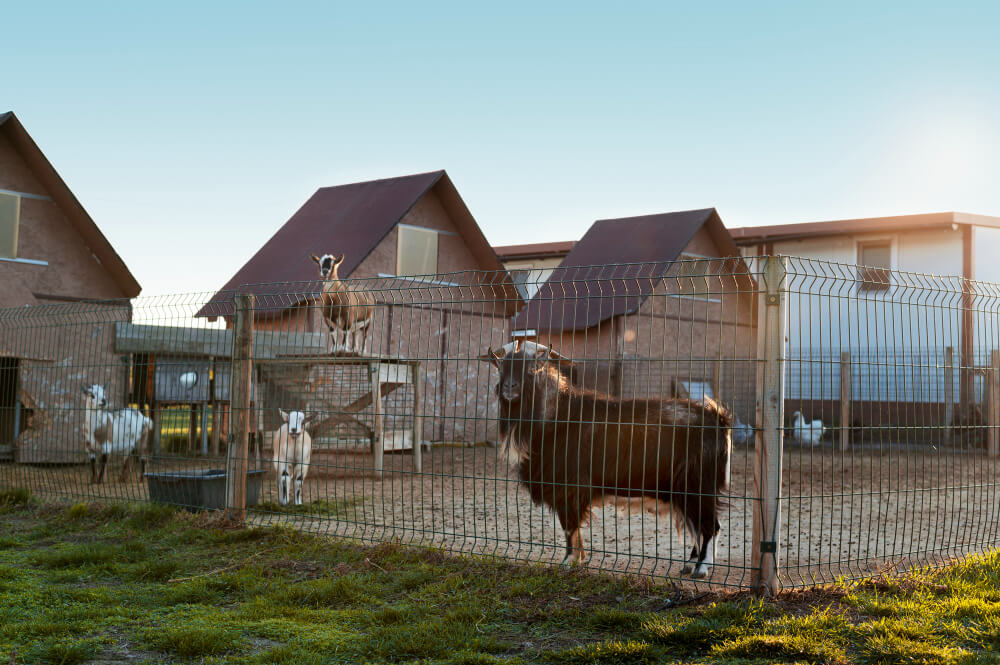
What makes prefab steel constructions the preferred choice for modern livestock shelters? How do these structures ensure both safety and efficiency for farmers? The demand for durable and adaptable solutions has led to a growing preference for steel shelters designed specifically for animal housing.
These Prefabricated Steel Buildings offer reliability, resilience, and cost-effectiveness in ways that traditional barns struggle to match. Farmers and ranchers value the flexibility, as prefab steel designs can adapt to different climates and livestock needs. This combination of safety, sustainability, and quick assembly has fueled a remarkable rise in their use worldwide.
Strength Ensures Animal Safety
Prefab steel constructions are built with a strong framework that offers superior protection. Their structural stability makes them dependable shelters during storms, heavy snow, or strong winds. This level of strength helps safeguard animals from natural threats and environmental risks. The durability of steel also ensures that animals remain safe over time. Thus, farmers can focus on productivity without worrying about frequent repairs or structural failures.
Design Adaptability For Different Species
Every livestock species requires a unique environment, and prefab steel buildings allow for that flexibility. These constructions can be tailored with varying roof heights, partitioned spaces, and ventilation options to match specific animal needs. For example, cattle may require wide spans for feeding and resting areas, while poultry may benefit from controlled air circulation. This adaptability makes steel shelters a universal solution for diverse farming operations.
Low Maintenance Reduces Long-Term Costs
Maintenance is a critical factor when selecting a livestock shelter. Steel buildings demand minimal upkeep compared to wood, which is prone to rot, pests, and decay. Coated steel panels resist corrosion, which extends the life of the structure with little ongoing expense. This long-term resilience results in reduced operational costs for farmers. Time saved on repairs can thus be invested in animal care and farm efficiency.
Energy Efficiency Supports Animal Comfort
Livestock require controlled conditions to thrive, and prefab steel buildings can be designed with advanced insulation and ventilation. These features regulate internal temperatures, which protect animals from extreme heat or cold. Proper airflow reduces the risk of respiratory issues while improving overall well-being.
- Insulated panels help maintain a steady climate.
- Natural lighting features can be integrated to reduce energy costs.
- Ventilation systems ensure fresh air circulation for healthier livestock.
Quick Assembly Benefits Farmers
One of the most appealing advantages of prefab steel structures is their fast construction timeline. Components are manufactured in controlled environments, which ensures precision and efficiency. Once delivered to the site, they can be assembled rapidly to reduce downtime for farmers. This speed allows farmers to scale operations quickly when livestock numbers increase. It also provides a reliable solution in emergencies where immediate shelter is necessary.
Sustainable Choice For Modern Farming
Sustainability is an important consideration in the modern agricultural sphere. Steel is a recyclable material, which makes prefab shelters environmentally responsible. Many projects incorporate recycled steel, which reduces waste and aligns with eco-friendly practices. Thus:
- Farmers gain durable, long-lasting shelters with minimal environmental impact.
- Energy-efficient designs further reduce carbon footprint.
- Using sustainable materials contributes to responsible resource management.
Prefabricated Steel Buildings have emerged as reliable, adaptable, and sustainable solutions for livestock shelters. Their strength, low maintenance, and energy-efficient features protect animals while supporting farm productivity. As demand rises, steel structures constantly redefine safety and comfort in modern farming.
