


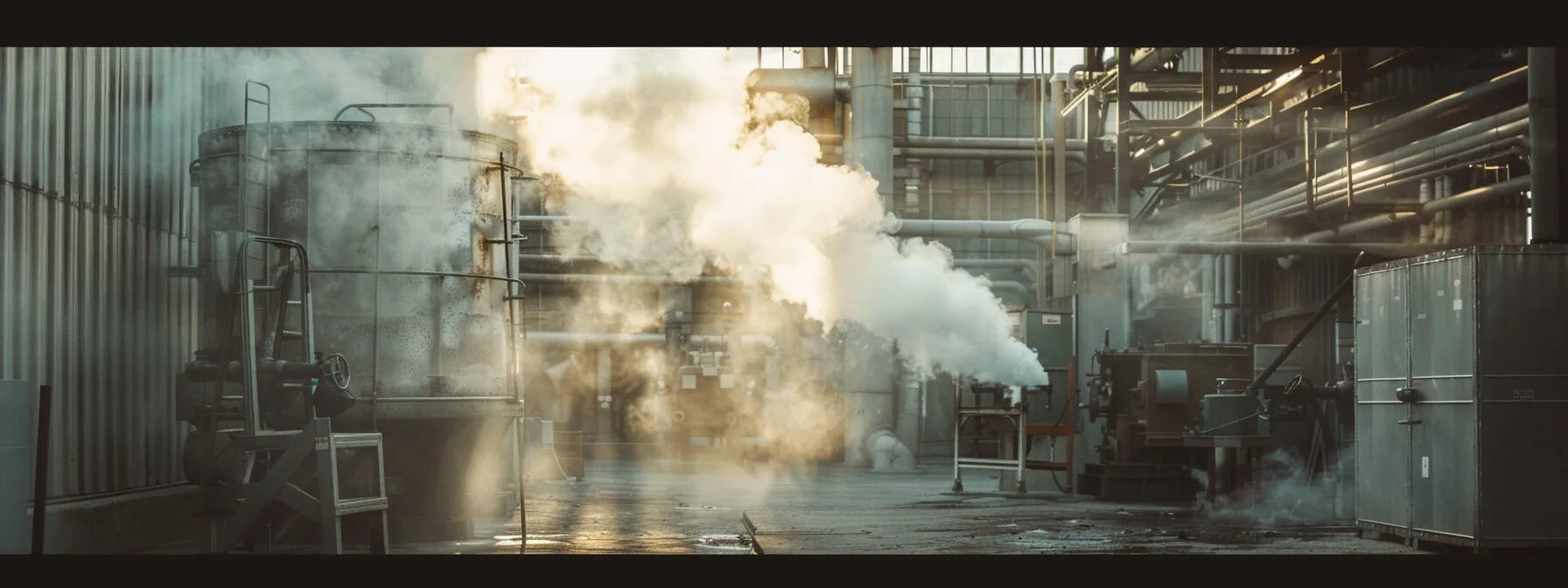
Industrial cooling towers are a critical component of many manufacturing and process sectors, providing efficient heat rejection to the atmosphere. They serve to maintain appropriate temperatures in systems by cooling water that has been heated during industrial processes. The significance of these towers cannot be overstated as they contribute to operational efficiencies, cost savings, and equipment longevity. In this article, we will dive into what cooling towers are, how they function, their different types, and the importance of their maintenance. Keep reading to gain a comprehensive understanding of these vital industrial installations.
Understanding Industrial Cooling Towers: Purpose and Significance
At the core of industrial cooling towers lies a simple yet vital purpose: to remove excess heat from a cooling water stream. This process is indispensable in industries where equipment generates large amounts of heat that need to be dispelled to prevent damage or reduce efficiency. By using water as a cooling medium, these towers efficiently transfer heat to the environment, which allows systems to operate continuously without overheating. For example, Industrial cooling towers are utilized in petrochemical plants, HVAC systems, food processing factories, and power plants, among others.
Industrial cooling towers are vital for more than just equipment protection; they help conserve water through recirculation, thereby reducing the need for freshwater. They also ensure compliance with regulations by controlling thermal output to protect local ecosystems. Moreover, cooling towers enhance energy efficiency, as alternatives can lead to higher energy consumption. By stabilizing temperatures, they improve process efficiency, ensuring smoother operations and better product quality.
Essential Components of Industrial Cooling Towers
A cooling tower comprises several key components that work together to achieve effective heat dissipation. The frame, made from materials such as fiberglass, steel, or concrete, supports the system and withstands industrial conditions.
Inside, fill media enhances the heat exchange process by increasing water surface area as it cascades down, promoting evaporation and improving cooling efficiency. Drift eliminators capture airborne water droplets, conserving water within the system.
A distribution system, typically featuring nozzles or basins, evenly spreads water over the fill. Fans or natural draft induce airflow, removing warm, moist air. At the bottom, the cold water basin collects cooled water for recirculation and helps settle particulates, protecting downstream equipment.
How Industrial Cooling Towers Function

In an industrial cooling tower, warm water from processes is piped in and distributed over fill media, where it comes into contact with airflow from fans or natural draft. This exposure enables heat transfer from the water to the air, leading to evaporation and cooling of the remaining water.
This efficient evaporative cooling process utilizes the latent heat of vaporization, much like the way sweat evaporation cools the skin. The cooled water then collects in the cold water basin and is pumped back into the plant to absorb more heat, maintaining continuous cooling and preventing overheating.
Effective heat rejection depends on the design of the cooling tower and the condition of its components. Any malfunction, such as clogged fill media, can significantly impact performance by reducing airflow or water distribution, thereby diminishing cooling capacity.
Types of Cooling Towers and Their Applications

Industrial cooling towers come in various shapes and sizes, each designed for specific applications and operational needs. Broadly, they are classified as either counterflow or crossflow, based on the direction of the air relative to the water. Counterflow towers induce air to flow vertically upward against the falling water, whereas in crossflow towers, air moves horizontally through the falling water.
Beyond this basic classification, cooling towers are additionally categorized by the method of air induction—natural draft, mechanical draft, or induced draft. Natural draft towers rely on the temperature difference between the inside and outside air to create airflow through the tower, and are particularly prominent in power generation due to their large size. Mechanical draft towers utilize fans to move air and are more compact, making them suitable for a variety of industrial applications.
The choice is also influenced by the specific characteristics of the tower, such as the materials of construction, which must be compatible with the chemical composition of the circulating water, as well as the tower’s efficiency in terms of water and energy use. Understanding the various types and their applications is crucial for determining the most suitable cooling tower for a specific industrial context.
Industrial cooling towers are indispensable in various sectors, offering a practical solution to heat management challenges. Understanding the components, functions, and necessary measures for maintenance and efficiency can enable companies to make informed decisions that benefit both their operations and the environment. As industries continue to seek sustainable solutions, the role of cooling towers in energy and water conservation becomes ever more significant.
